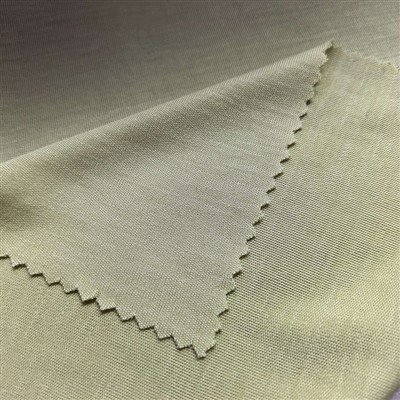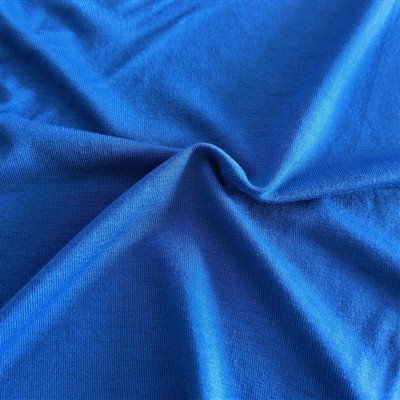
Two Fibers from Different Origins
Bamboo fiber and lyocell are like half-brothers-both claim to be environmentally friendly, but their genes are completely different:
Bamboo fiber: Directly sourced from bamboo, processed through physical crushing or chemical dissolution into pulp before spinning.
Lyocell: Uses wood pulp as raw material, produced using closed-loop solvent technology.
Core difference: Bamboo fiber retains more natural bamboo kun (antibacterial components), while lyocell has a more uniform fiber structure.
An Environmental Showdown in Production Processes
Both fibers tout themselves as green, but the methods they achieve are vastly different:
Bamboo fiber:
Chemical methods require strong alkali treatment, posing wastewater treatment challenges.
Physical methods are more environmentally friendly but have lower yields. Low
Lyocell:
99% of organic solvents are recyclable
Production energy consumption is 40% lower than bamboo fiber
Interesting phenomenon: Lyocell fibers can be respun after dissolution, like recyclable paper.
Ideal Wearing Experience Comparison
In actual use, you will clearly feel their differences:
Breathability: Bamboo fiber's natural hollow structure gives it a slight edge.
Drape: Lyocell is closer to the effect of silk.
Wrinkle resistance: Lyocell requires almost no ironing after washing.
Price range: High-quality bamboo fiber fabric is 20-30% cheaper than Lyocell.
Special features: Bamboo fiber has inherent antibacterial properties; Lyocell dyes have longer-lasting color vibrancy.