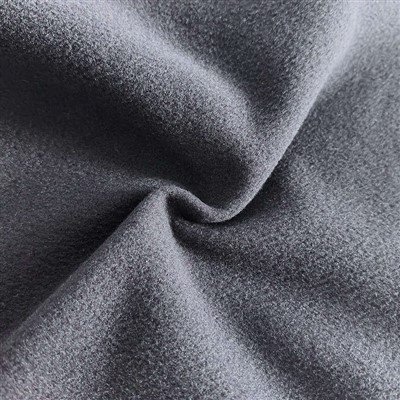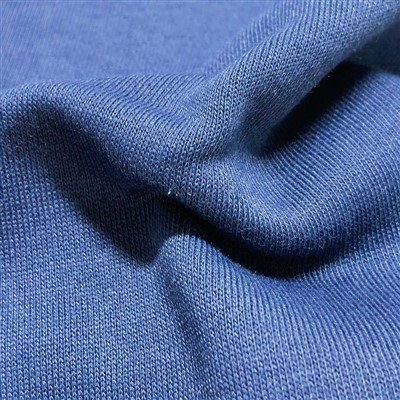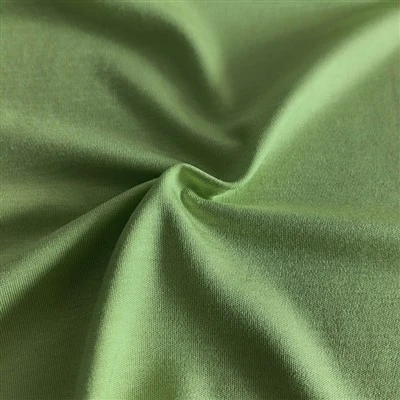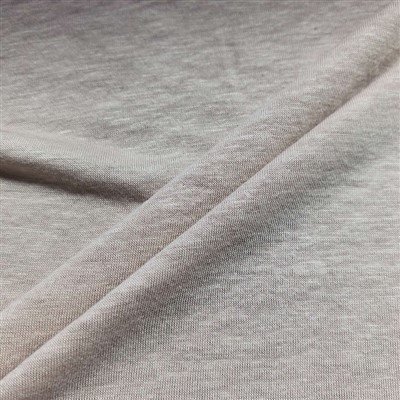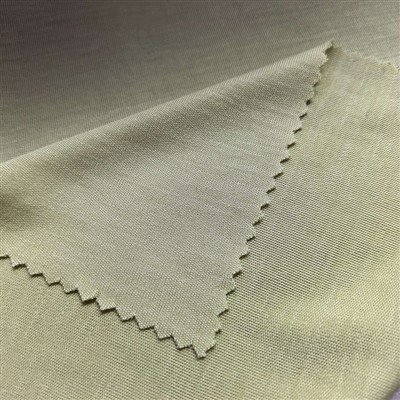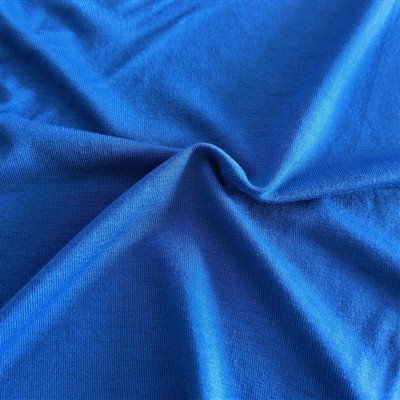
Linen fabric is a natural plant fiber textile. Its moisture-wicking, breathable, naturally antibacterial, durable, and environmentally friendly properties make it a highly sought-after material. Its unique fiber structure allows it to regulate body temperature in different environments, balancing health and practicality, making it suitable for clothing, home furnishings, and many other applications.
Moisture-wicking and breathable: The hollow structure of linen fibers allows for rapid absorption and evaporation of moisture, with a moisture absorption rate as high as 12%-15% (far exceeding cotton), making it especially suitable for summer or humid environments. Sweat is quickly wicked away, keeping the skin dry and reducing stickiness. Furthermore, the gaps between the fibers promote air circulation, resulting in significant heat dissipation and a 3-4°C reduction in body temperature.
Natural antibacterial and mildew-resistant: The linolenic acid in linen inhibits common pathogenic bacteria such as Staphylococcus aureus and Escherichia coli, and is less prone to mite growth. This characteristic makes it an ideal choice for people with sensitive skin and is also commonly used in medical gauze, baby products, and other situations requiring high hygiene. It is also less prone to developing odors with long-term use, reducing the frequency of washing.
Temperature Regulation Capabilities: Linen has a higher thermal conductivity than cotton and silk, allowing for rapid heat transfer. It feels cool to wear in summer and provides effective insulation in winter when layered with inner clothing due to its insulating properties. Experiments show that linen fabric experiences a more gradual temperature change when in contact with skin compared to synthetic fibers, reducing the impact of hot and cold.
Durability and Environmental Friendliness: Linen fibers are more than 1.5 times stronger than cotton, making them abrasion-resistant and tear-resistant, maintaining their crisp texture even after multiple washes. The cultivation process requires less pesticides, and the entire plant can be utilized; waste is biodegradable, minimizing environmental pollution. Some high-quality linen products can last for decades.
Skin-Friendly and Hypoallergenic Properties: Linen has a slightly acidic pH, close to that of human skin, making it less likely to cause allergies or itching with prolonged contact. The smooth, lint-free fiber surface is gentle on eczema and dermatitis sufferers. With continued use, the fabric becomes softer and conforms better to the body's curves.
Anti-static and UV-resistant Properties: Linen fibers, with their naturally high moisture content (approximately 10%), do not easily accumulate static electricity, preventing dust accumulation. Its structure also blocks 80%-90% of UV rays, providing extra protection during outdoor activities.
Overall, linen fabric achieves versatility through its natural physical properties, balancing comfort and health. However, it's important to note that poorly processed coarse linen may feel stiff to the touch; it's recommended to choose worsted linen or blends with cotton to enhance the wearing experience. For daily care, avoid direct sunlight; gentle hand washing can extend its lifespan.