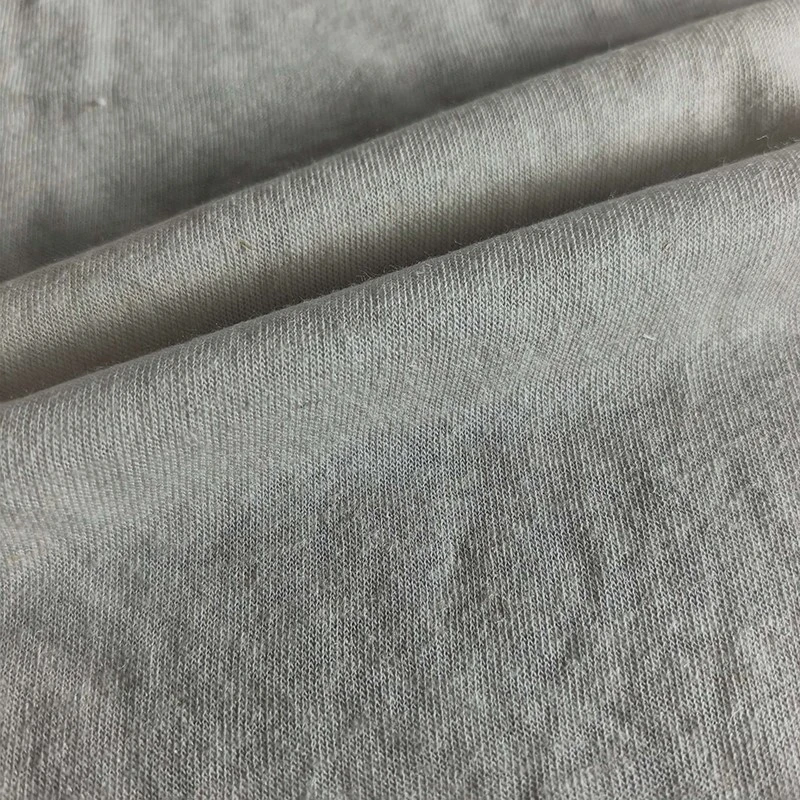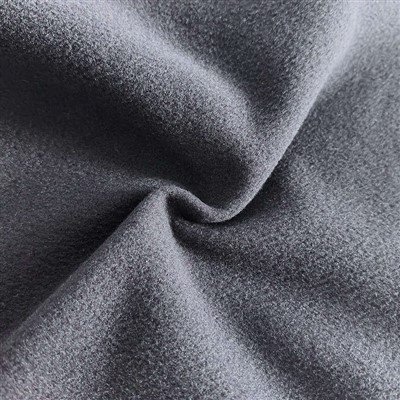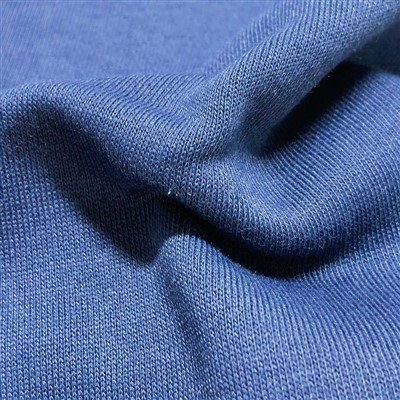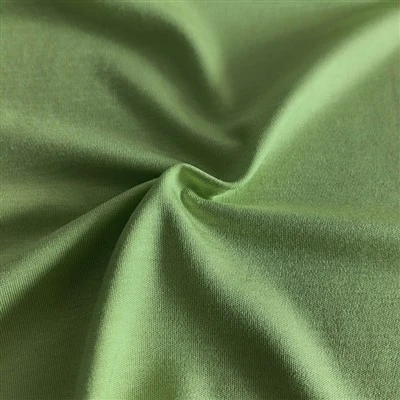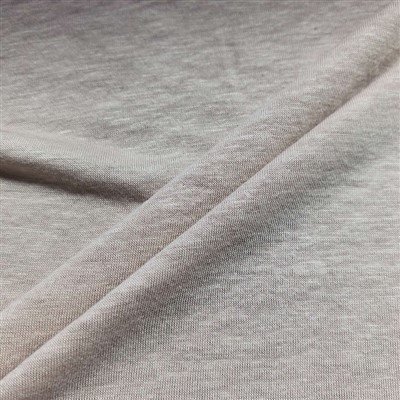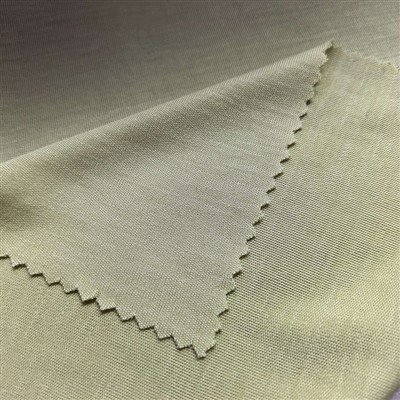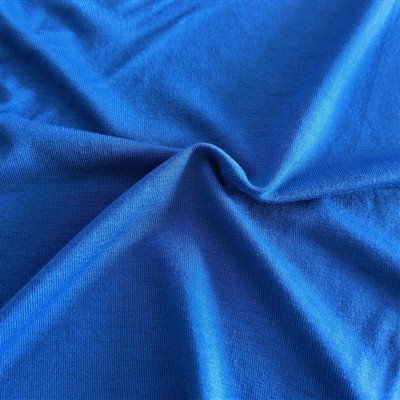
Many people have a "love at first wear" experience with Modal – soft, skin-friendly, and breathable. But what exactly is it made of? How does it differ from cotton and viscose fabrics? Why does some Modal deform after a few washes? Today, we'll fully unlock the secrets of "What is Modal fabric?", from its origins and characteristics to selection tips, so you can enjoy comfort and avoid the pitfalls of "fake materials" and "fragile fabrics" when choosing intimate apparel.
Modal's "Fabric Identity" – Not Cotton, but "Regenerated Fiber from Beechwood"
1. Raw Material: "Natural Regenerated Fiber" from Beechwood
Modal belongs to the category of regenerated cellulose fibers. Its core raw material is European beechwood – first, the beechwood is processed into "beechwood pulp" (cellulose is extracted from the wood), then the pulp is processed into fiber through a special process, and finally spun and woven into fabric. It's neither a chemically synthesized fiber (like polyester or acrylic) nor a natural fiber (like cotton or linen), but rather a fabric "extracted and recycled from natural raw materials," possessing both the comfort of natural fibers and the drape of synthetic fibers.
2. Differences from "Close Relatives": Don't confuse it with cotton or viscose
Many people confuse modal with cotton and viscose (rayon), but the differences are significant: cotton is 100% natural plant fiber, with good moisture absorption but slightly less softness; viscose, while also a recycled fiber, is mostly made from wood/reeds, and its production process is more polluting, resulting in a rougher feel; while modal uses only beech wood as raw material, produced through "solvent spinning" (more environmentally friendly), and is more than 30% softer than cotton, with a superior drape, which is the core reason why it has become the preferred fabric for close-fitting clothing.
Modal's "Core Characteristics"-Comfortable but with "Minor Drawbacks"
1. Advantages: The "Ceiling of Comfort" for Skin-Friendly Fabrics
Modal's advantages lie entirely in its "skin-friendly experience": First, it's soft and skin-friendly, with a smooth fiber surface that feels smooth against the skin, causing no friction and irritation even for sensitive skin; second, it's moisture-wicking and breathable, with a moisture absorption rate 15%-20% higher than cotton, quickly absorbing and wicking away sweat, preventing stuffiness and stickiness in summer; finally, it drapes well and is wrinkle-resistant, not easily wrinkling after washing and maintaining its shape after drying, requiring minimal ironing and making it very easy to care for.
2. Disadvantages: Don't Ignore the "Durability Shortcoming"
Modal also has significant disadvantages: First, it's prone to deformation. Its relatively loose fiber structure means it may stretch after multiple washes, especially pure Modal fabrics. Second, it has poor abrasion resistance, about 20% lower than cotton. Prolonged friction (such as at the cuffs and collar) can easily cause pilling or damage. Third, it has weak sun resistance; prolonged exposure to sunlight will make the fibers brittle, shortening the lifespan of clothing. This is a key point to consider when caring for it.
Suitable Scenarios for Modal – These Clothings Are Perfectly Choosing It
1. Underwear: The "Optimal Solution" for Underwear
Modal's softness and low irritation make it a top choice for underwear – it won't leave marks or cause friction when worn against the skin, and its moisture-wicking and breathable properties reduce stuffiness, making it especially suitable for summer or sports. Many baby brands also use Modal for their baby underwear because it's gentler on sensitive skin.
2. Loungewear/Pajamas: The "Comfortable Partner" for Relaxing Moments
Loungewear and pajamas worn at home should prioritize a "free-flowing" feel. Modal fabric is lightweight and breathable, preventing stuffiness and sweating while sleeping. Even when tossing and turning, there's no rustling sound from the fabric, enhancing sleep comfort. However, it's recommended to choose a "modal + cotton" blend (e.g., 70% modal + 30% cotton) to maintain softness while enhancing durability.
3. Lightweight Clothing: The "Refreshing Choice" for Summer T-shirts and Dresses
Lightweight T-shirts and dresses worn in summer are more comfortable in modal fabric-the fabric drapes well, flatters the figure, and dries quickly, preventing them from sticking to your body due to sweat when shopping or commuting. They also create a fresh and stylish look. The only thing to note is to avoid light-colored pure modal styles, as they may be slightly see-through.
Modal Selection and Care – Avoiding Counterfeit Materials and Extending Lifespan
1. Identifying Genuine vs. Counterfeit: 3 Tips for Choosing "Genuine Modal"
When buying modal, the easiest pitfall is encountering "blended fabrics passed off as pure modal." Here are 3 tips to distinguish them: First, check the label. Legitimate products will state "100% Modal" or "Modal blend (e.g., 70% Modal)." If it only says "Modal style" or "imitation Modal," it's likely fake. Second, feel the texture. Genuine modal feels delicate and soft with a natural sheen, while fake modal is stiff and dull. Third, consider the price. Pure modal fabric has a higher production cost. If a single piece of underwear is priced below 50 yuan or a T-shirt below 80 yuan, it's likely a blend or a counterfeit.
2. Care Tips: 4 Details to Extend the Life of Your Clothing
To ensure your modal clothing lasts longer, proper care is crucial: First, wash with cold water on a gentle cycle. Water temperatures exceeding 30℃ can deform the fibers, and a gentle cycle reduces friction. Second, avoid using alkaline detergents (such as soap); choose a neutral detergent to prevent fiber damage. Third, lay flat to dry after washing; do not hang (as this will stretch) or expose to direct sunlight (this will make the fibers brittle). Fourth, if pilling occurs, gently remove it with a lint remover; do not pull by hand to avoid damage.
Summary
Modal fabric is essentially "beechwood regenerated cellulose fiber." Its core advantages are softness, skin-friendliness, and moisture absorption, making it particularly suitable for underwear and loungewear. However, it also has disadvantages such as being prone to deformation and having poor abrasion resistance. When choosing modal, pay attention to distinguishing genuine from imitation. Proper care includes washing in cold water and laying flat to dry to enjoy its comfort while extending the garment's lifespan. It's not a "one-size-fits-all fabric," but in terms of "close-fitting comfort," it's definitely a cost-effective choice.
After reading this modal fabric guide, will you have a better idea of what to choose next time you buy underwear? Remember to like and save this post for future reference when shopping. Feel free to share your experience wearing modal clothing in the comments!